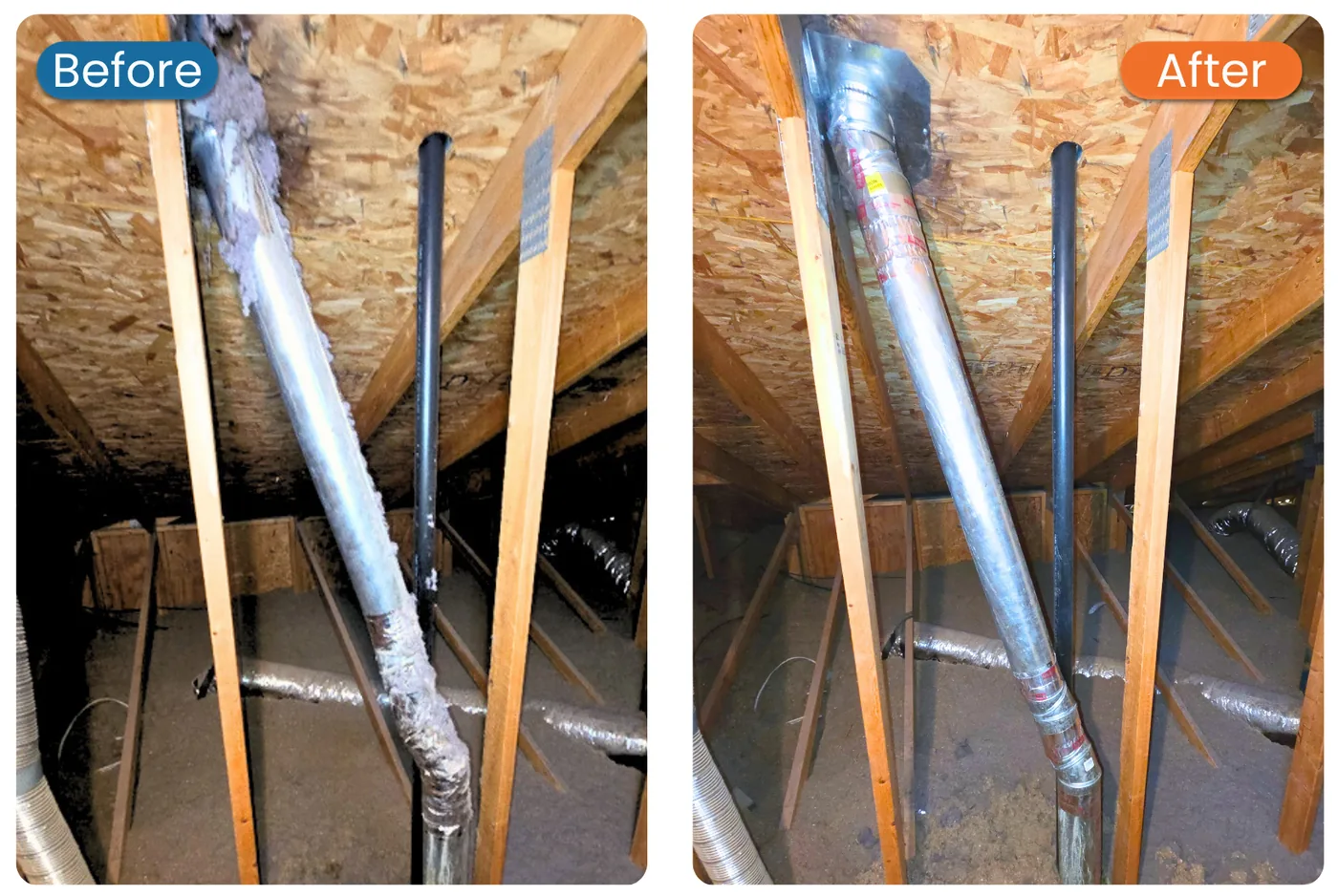
A clear plan for the equipment, the people and the access.
From an individual rental to a multi-unit property, we plan dryer-exhaust care around the equipment, occupants and access. Clear findings help you prioritize work and keep property maintenance organized.
Build a cleaning and maintenance scope around the equipment, usage and accessible exhaust paths.
We assess the equipment, usage, previous findings and termination access, then build a maintenance plan for the property. Service intervals, reporting and included work are specific to the installation.
Service details+
Share equipment types, unit count, known routes and any previous service records.
Assess existing powered exhaust or a proposed installation as part of the complete dryer-exhaust system.
Equipment selection depends on appliance type, listing, controls, duct configuration and applicable requirements. Generic fans are not assumed suitable. We account for future cleaning and maintenance access as part of the installation.
Service details+
Identify existing fan models where known; a fan does not replace duct cleaning or route correction.
Remove, Sanitize, Protect—with a plan for the affected outlet, occupants and lawful wildlife handling.
Nest removal, eligible sanitization, a suitable DryerFlex transition and Bird Defender protection form the proposed package. We assess each affected route before selecting the components.
Service details+
Keep the affected equipment out of use when the exhaust is obstructed; do not seal wildlife inside.
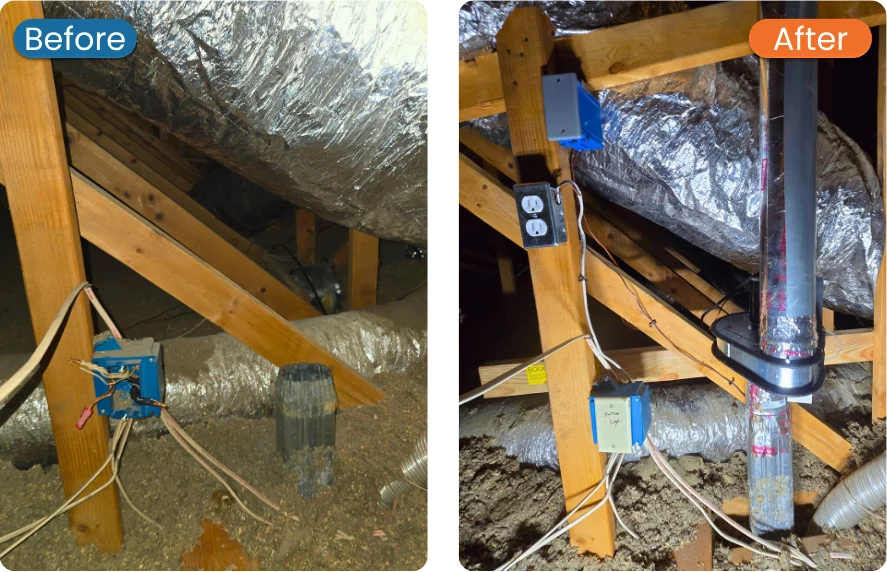
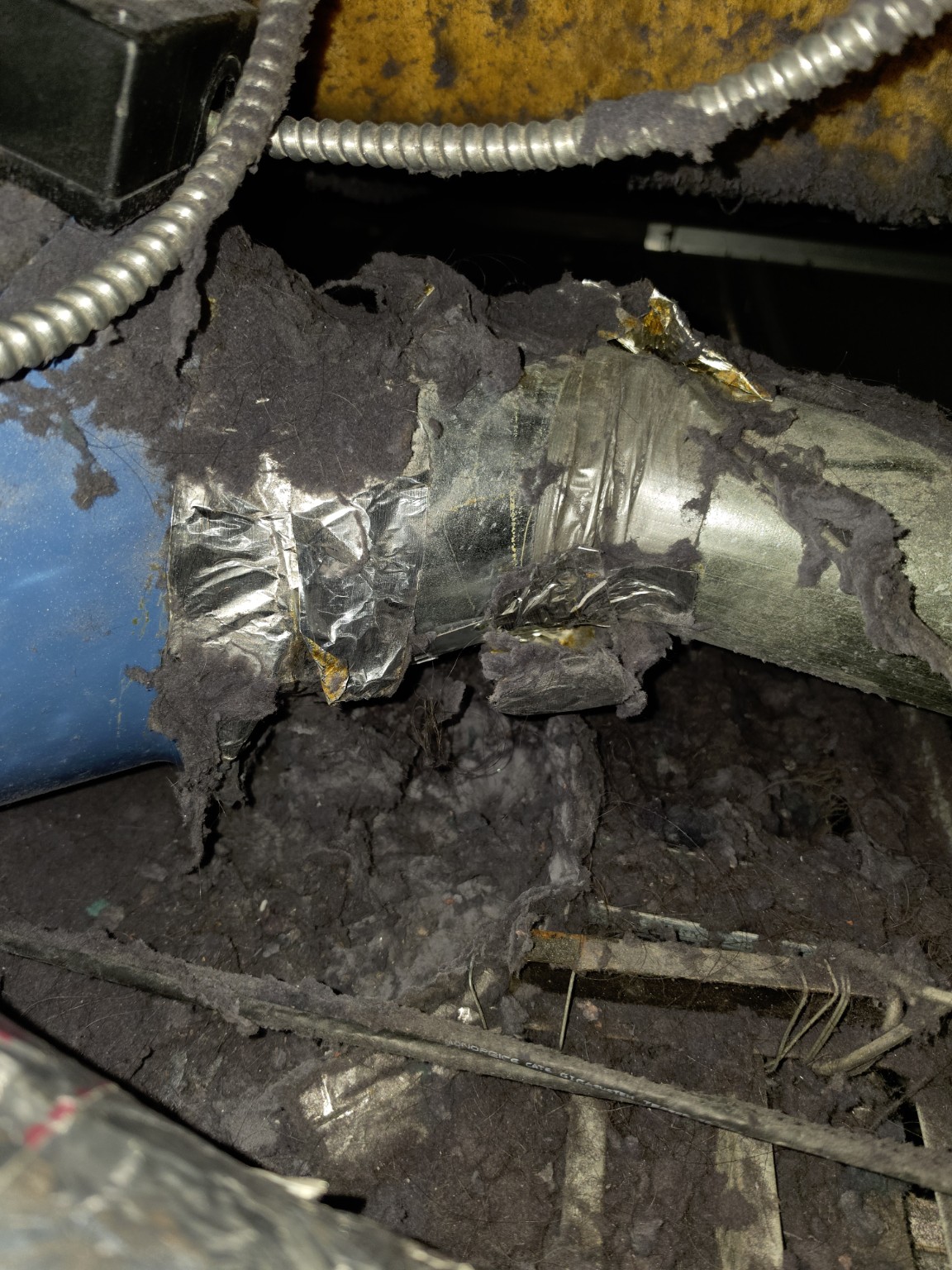
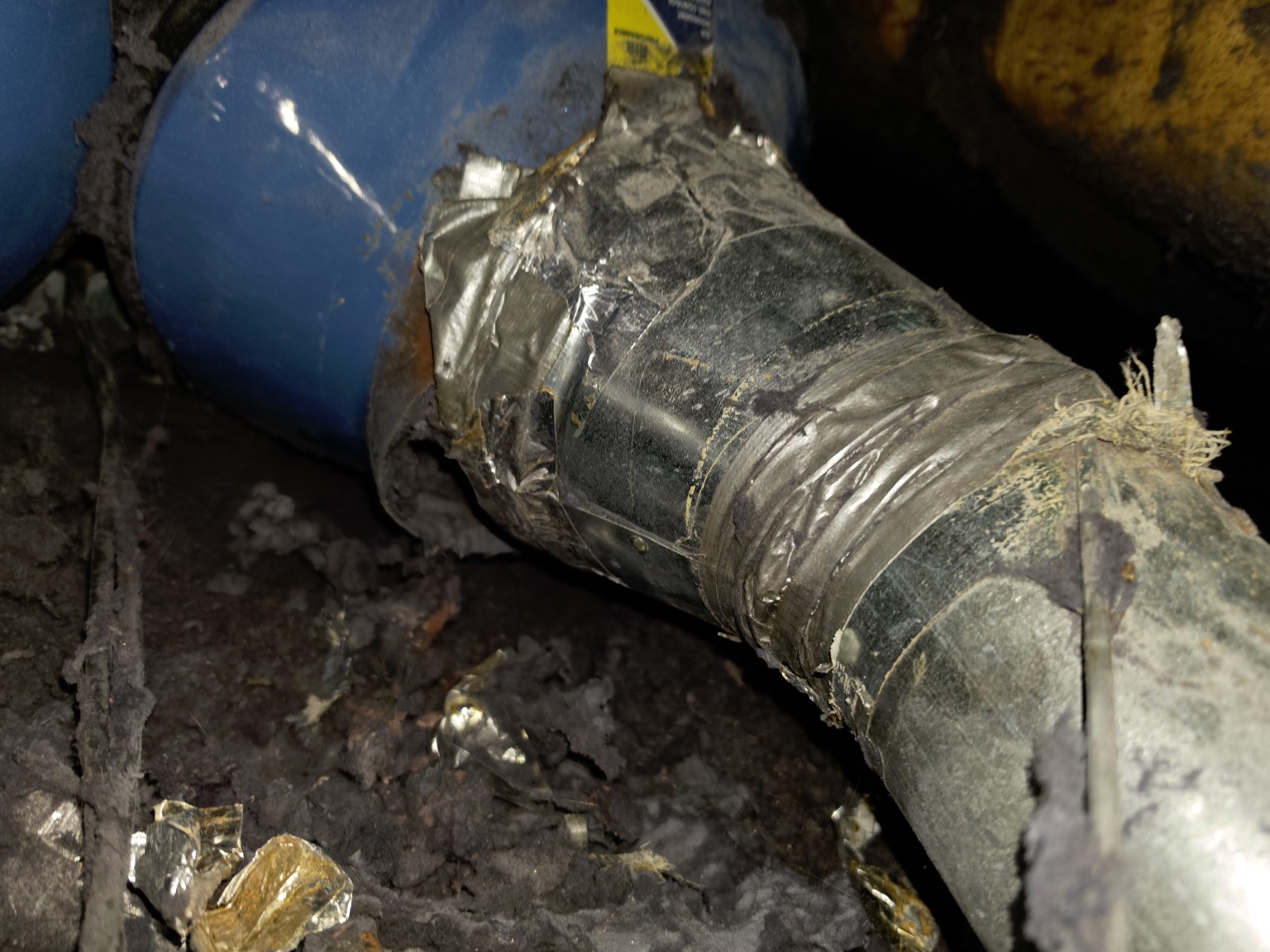
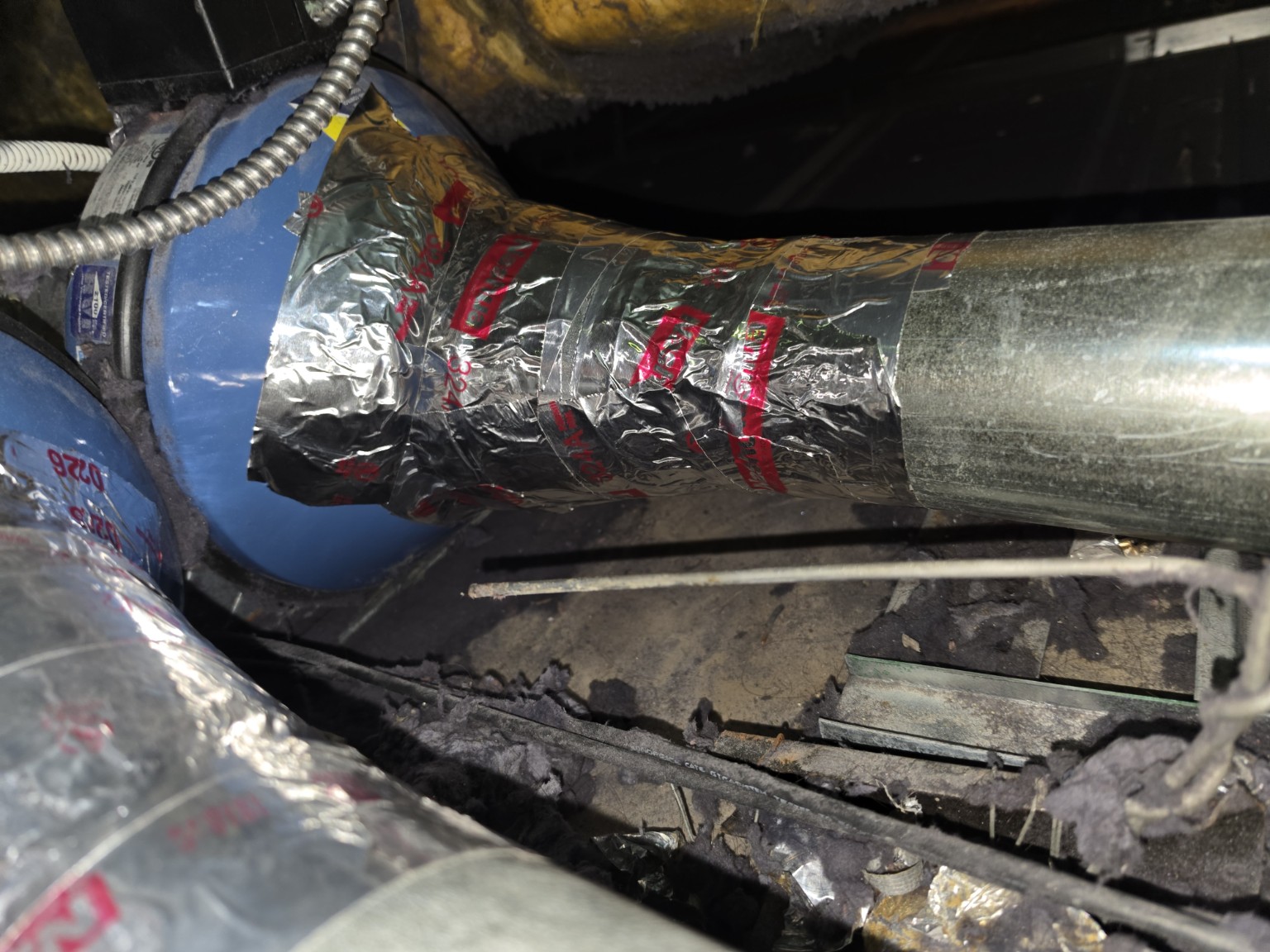
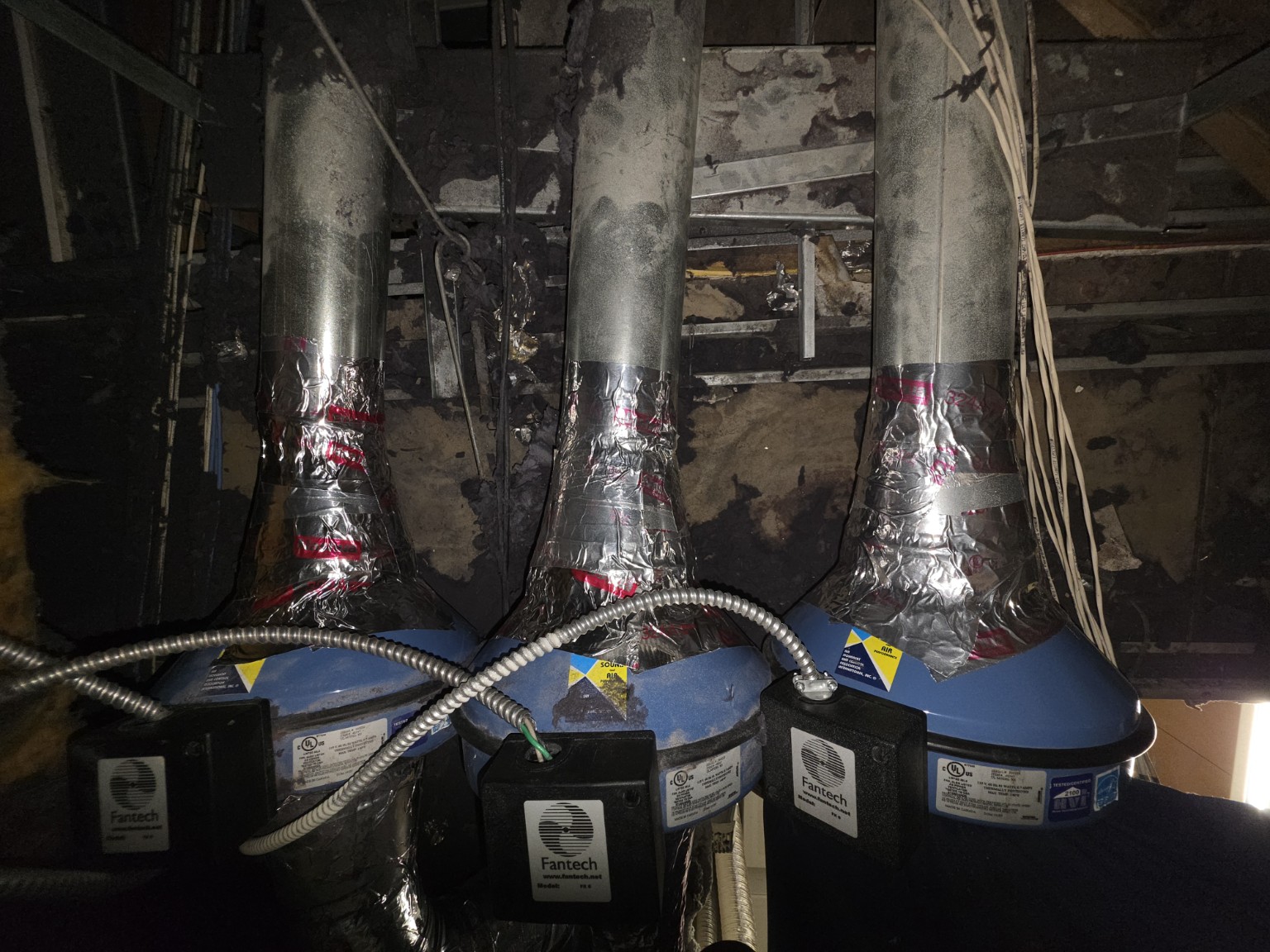
These photographs document a commercial booster fan repair, from lint buildup and worn connection tape to repaired, resealed duct connections. The close-ups show the connection work; the wider after view shows all three fans.
01
Before the repair
Lint buildup and worn connection tape.
View full photographConnection detail: lint surrounds the fan-to-duct joint and its existing tape.View full photographA second before view shows the connection and surrounding buildup.
02
After the repair
Repaired and resealed duct connections.
View full photographRepair detail: the fan-to-duct connection has been resealed.View full photographThe wider after view shows the resealed connections across the three-fan arrangement.
02Property Operations
The right work. The right door. The right time.
Occupied homes, shared laundry rooms and turnovers each bring different access needs. A useful service plan makes those details explicit.
Coordinate assessment and service across multiple dryers, units or buildings without treating them as one identical installation.
We organize service by unit and exhaust route, coordinate access with management and identify shared-system constraints. Route-specific findings make repairs and follow-up easier to prioritize.
Service details+
Shared or commercial exhaust designs may require specialist design or trade coordination; scope is confirmed first.
Use the change between occupancies to review an accessible dryer connection and exhaust condition.
Between tenants is a practical time to clean the vent, reconnect an appliance or correct a damaged outlet. We coordinate access with management, appliance deliveries and the rest of the turnover work.
Service details+
Turnover service is not a safety certification or a substitute for appliance and electrical inspections.
Duct damage and layout changes affect more than a single part. Separate immediate repairs from proposed route improvements and any work that needs design input or another trade.
Assess disconnected, damaged or unsuitable dryer-exhaust components and plan a correction for the actual system.
We locate the damaged section, plan access and fit compatible connections and supports. We coordinate affected equipment and access with your property team.
Service details+
The work plan identifies affected equipment and any separate electrical, roofing or building work.
Review a problematic route or plan exhaust for a new laundry arrangement.
Appliance instructions, lengths and bends, building construction and the termination all shape the design. Multi-dryer and shared systems need their own assessment; a residential routing rule is not a universal commercial design.
Service details+
Bring equipment schedules and plans if available. The proposal identifies design responsibility and the installation scope.
Document the concern, establish the applicable requirements and choose a correction that fits. Use the findings to prioritize corrections, coordinate access and choose suitable components.
Review observed dryer-exhaust conditions against the applicable installation requirements and identify needed corrections.
The relevant jurisdiction, adopted edition, appliance type and manufacturer instructions matter. This service is not a substitute for an authority’s inspection, approval or a professional design where required.
Service details+
Identify the site jurisdiction, equipment and any notice or inspection finding you want addressed.
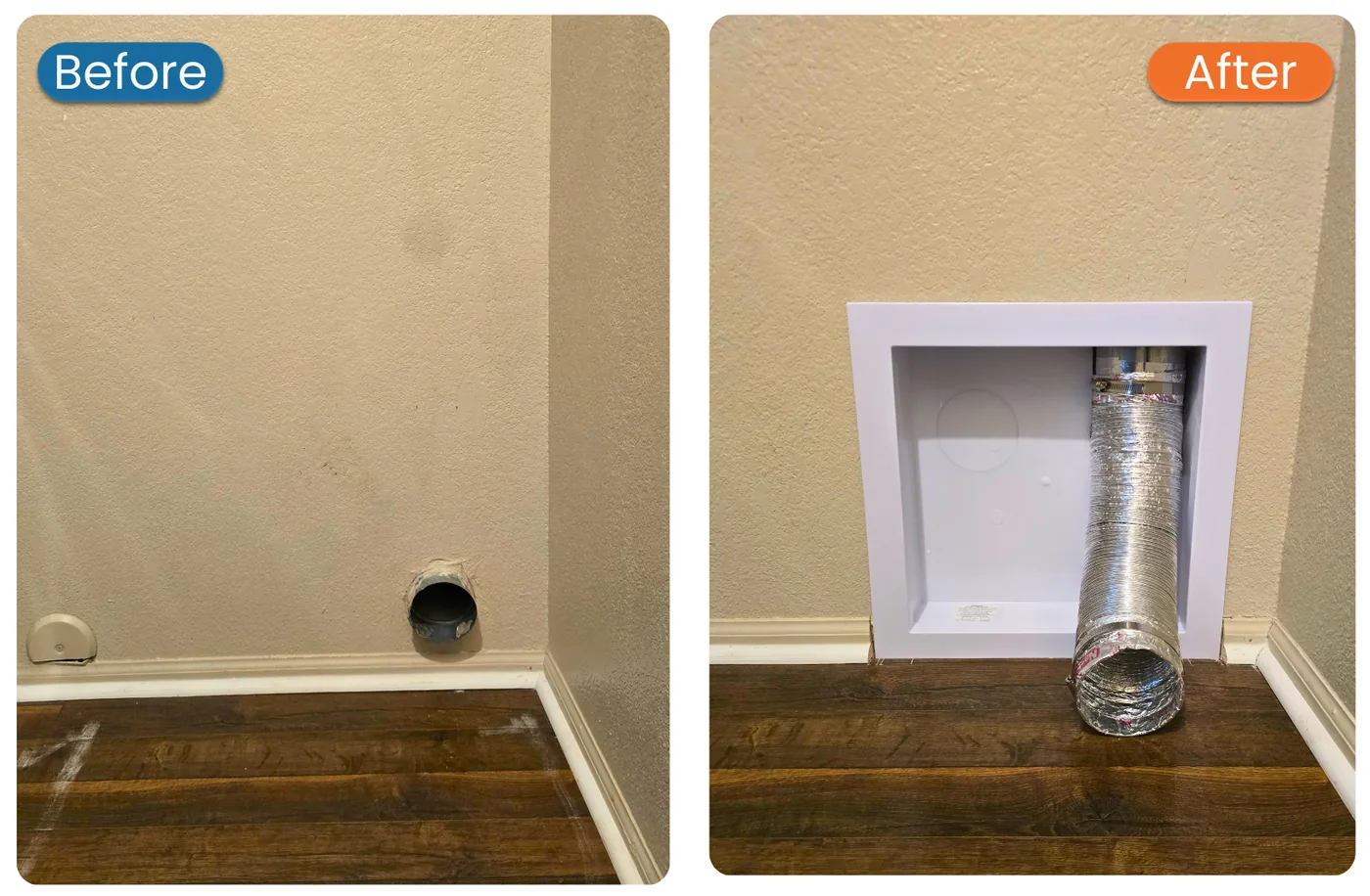
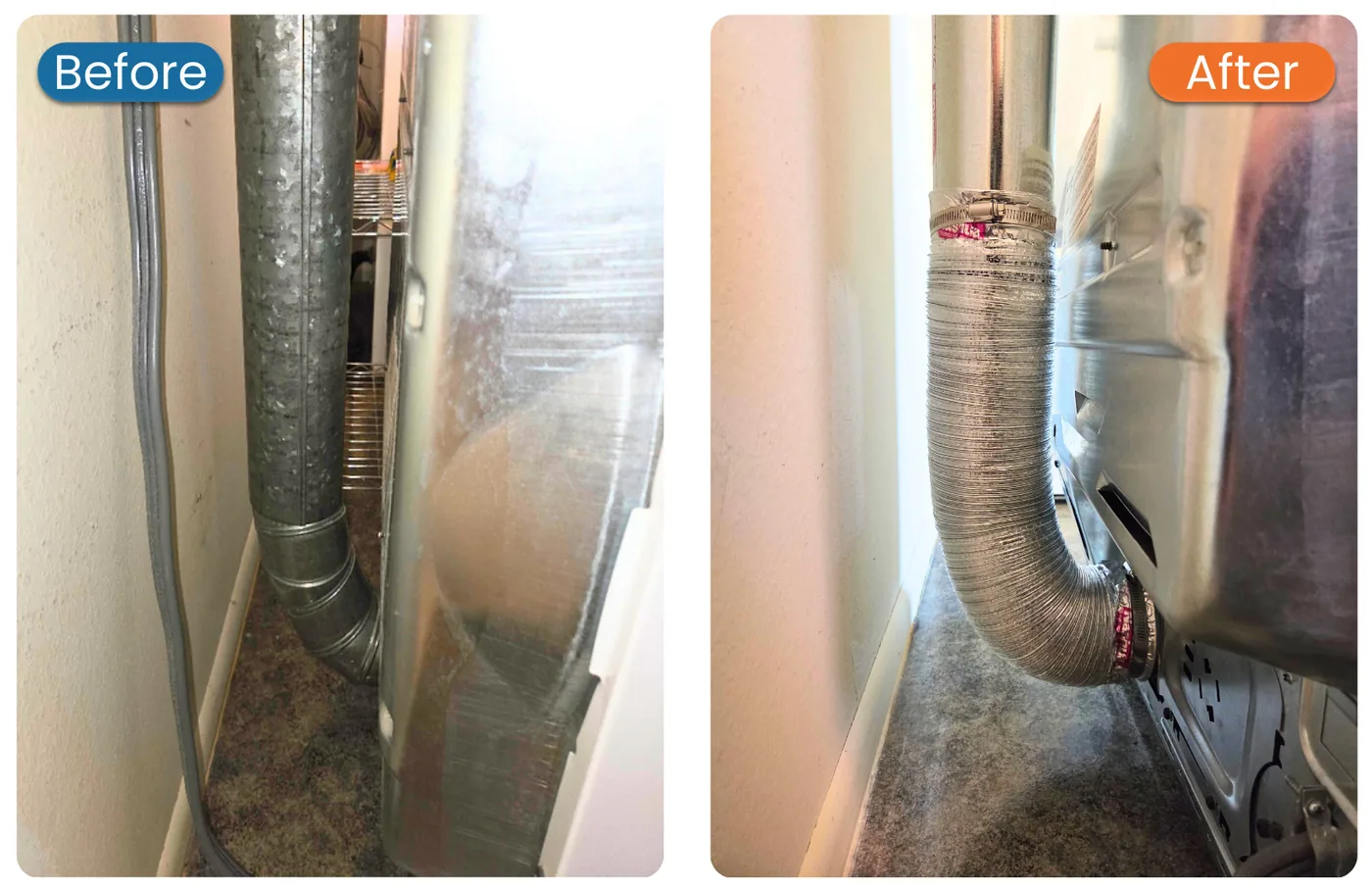
Consider DryerFlex, recessed dryer boxes and connection correction where the particular equipment and space support them.
A more serviceable appliance connection may help with cramped placement and repeat maintenance. Residential-style upgrade components are not automatically suitable for commercial-type dryers or shared exhaust systems.
Service details+
Confirm appliance compatibility, access, clearances and the work included for each installation.
A nest calls for a closer look at the whole affected setup. The restoration package combines removal and eligible treatment with a suitable transition and outlet protection.
Do you work with residential dryers at commercial properties?+
A managed or commercial property may contain residential-capacity dryers. The actual appliances and exhaust configuration determine the requirements, not just the property label. Share equipment details so the team can confirm the scope.
Is there a standard maintenance-plan price or frequency?+
Plans are quoted for your property. Equipment count, usage, routes, access, existing condition and the requested scope inform a proposal. The proposal sets out service frequency, inclusions, reporting and commercial terms.
Can you certify an entire property as code compliant?+
A service assessment can identify observed issues and proposed corrections within its scope. It does not certify all concealed work or replace an authority’s inspection or approval. Design and specialist-trade responsibilities must be established where needed.
What information helps start a property proposal?+
The site address, property contact, approximate dryer or unit count, appliance types, known shared systems, roof or wall outlets, access arrangements and the issues already reported. The team can use those details to help shape the next step.
Your West Valley squad
Professional care for your property.
We inspect, explain the findings and carry out the right work for your system.
Removal depends on nest activity and applicable wildlife requirements. Active wildlife may need specialist coordination.
Commercial treatment
Treatment depends on contamination, the affected surface and the product’s authorized label directions, including preparation, application and return-to-use instructions.
Outlet protection
We confirm the guard’s model and fit against appliance instructions and applicable local requirements. It must preserve airflow, damper movement and cleaning access. Model-code provisions prohibit screens; outlet protection is not pest-proof.